

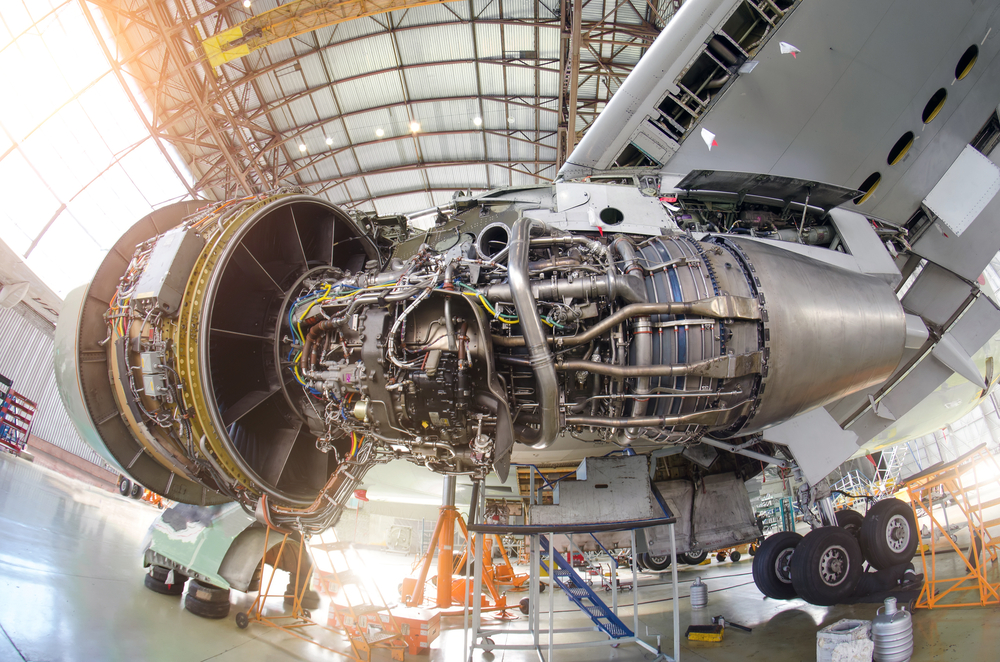
In aerospace and defense applications, failure is not a minor setback. It can mean mission failure, security vulnerabilities, or serious risk to human life. Systems operating in these environments must endure a constant combination of extreme conditions, including high temperatures, sudden shock, intense pressure changes, corrosive elements, and sustained vibration. These forces rarely occur alone. They act together, requiring solutions that can maintain precision and reliability under continuous stress.
Designing for High-Stakes Performance
Effective engineering begins with understanding the mission. Whether it involves a vehicle traveling at hypersonic speeds or equipment operating deep underwater, the first priority is assessing what happens if something goes wrong. From there, designs are developed to minimize risk, manage long-term wear, and ensure consistent performance throughout the system’s lifespan.
This level of engineering requires more than reinforcing individual components. It demands a comprehensive approach that considers how different stressors interact. Engineers must evaluate how materials expand under heat, how acceleration affects control systems, how environmental exposure impacts durability, and how interference can disrupt critical data. Addressing these factors involves advanced simulations, extensive testing, and close coordination across all system elements. Components such as seals, connectors, and actuators must perform reliably across a wide range of conditions, from initial deployment to peak operational stress.
Long-term durability also depends on anticipating cumulative effects. Repeated exposure to stress, the need for adaptability, and the interaction between multiple variables all influence performance over time. In these environments, success is defined not only by strength, but by consistency, control, and responsiveness.
Efficiency Meets Precision
High-performance systems in aerospace and defense must balance durability with efficiency. Weight, space, and power limitations are constant considerations, making streamlined design essential. Components must deliver high levels of performance while remaining compact and efficient, even under demanding conditions.
Specialized systems in this field are designed specifically for their environments, not adapted from general-use solutions. Materials are chosen for their ability to maintain stability, and designs are optimized to reduce vibration, withstand environmental stress, and retain structural integrity over repeated use.
Operational readiness is equally important. These systems are built for reliability, with simplified integration, reduced maintenance requirements, and the ability to perform consistently across a wide range of mission scenarios.
For a deeper look at how engineering enables operational resilience under extreme conditions, view the supporting infographic from Marotta Controls, a solenoid valve manufacturer.