
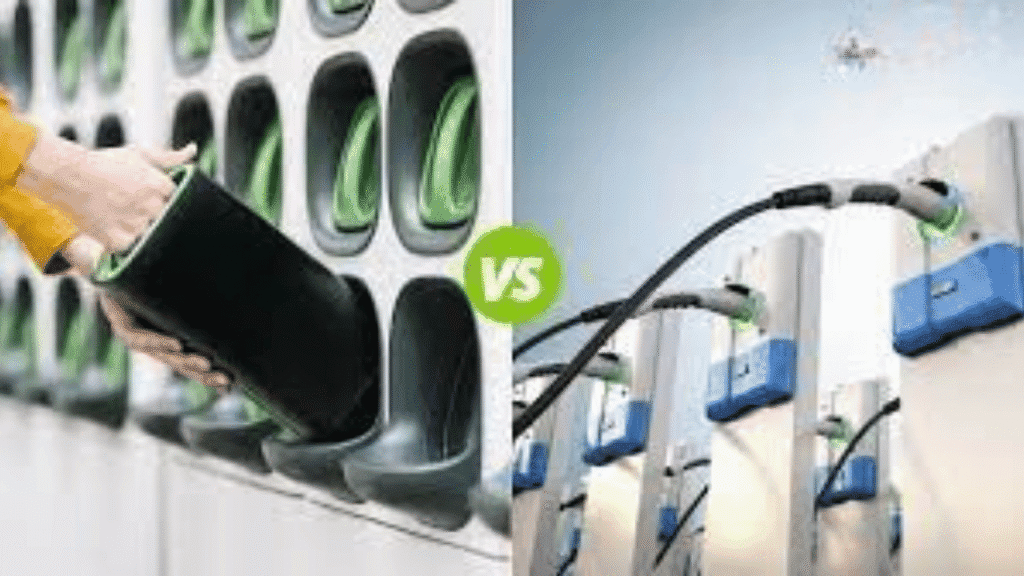

Going electric with your small boat or tender is a great idea. There will be no fuel smells, and you can enjoy quiet cruising. However, the constant issue is whether to invest in multiple batteries or opt for onboard charging between trips. There is no straightforward answer to the question. Let us discuss both the methods so that you can decide which is best for your boating style.
The battery swapping approach
Battery swapping involves keeping spare batteries ready. When one battery runs out, you pop in a fresh one. Although it may sound simple, it is not always so.
There are many upsides of battery swapping. There is zero downtime waiting for charges during the day. You don’t have to depend on shore power availability, and you can also extend your range, too. This option is great for remote areas with limited electricity.
Now comes the reality check. Marine lithium batteries are pretty expensive. They generally cost between $800-$2,500 per unit, depending on capacity. They are quite heavy and need proper storage space on your mothership. Also, swapping batteries mid-water in choppy conditions can be awkward. So, you will not be able to do it whenever you want.
The onboard charging strategy
This strategy is like charging your phone. There is one battery in the boat. You can plug electric outboard engines in for charging whenever you are anchored or docked. The thing is, you have to wait a while.
The onboarding charging strategy has a lower upfront investment
Along with the benefits, this strategy also has some limitations. If the battery dies, you are stuck until you head back. You will need reliable shore power or a robust solar setup, as charging takes 2-6 hours, depending on the charger type and battery size. You have to plan around charging stops carefully.
Your cruising style determines the right charging approach
This is the practical approach. Your choice will depend on how you use the boat.
Battery swapping is a great idea if you make short, frequent trips throughout the day. Your mothership has the budget and space for multiple batteries. It is also a good option if you anchor out for long periods without reliable charging. Go for battery swapping if you don’t like being limited by charging times. Sometimes, you need quick trips without the time to charge.
Onboard charging is a suitable option if you take a single long tender trip per day and return to the main vessel. Your boat has solar panels for battery charging, or you stay in marinas with shore power. As per experts like furthercustoms.com, you can use a hybrid approach. Run one battery as the main source and keep onboard charging for normal use.
Summing it up
There is no universal ‘best’ strategy here. You can see that both methods have their own benefits and limitations. In any case, you should buy charging units and spare batteries from reputable sellers that offer product warranties. And forget to consider your requirements so that you can make the choice accordingly.