

Your customers may be adding items to their carts and leaving without buying anything. Many never come back. This might be happening daily.
But why? This often happens when customers feel confused, ignored, or misunderstood during their journey.
As your e-commerce brand grows, managing user experiences across your sites, emails, ads, and support channels gets tougher. Messages can feel disconnected, offers feel random, and support may not be up to the mark.
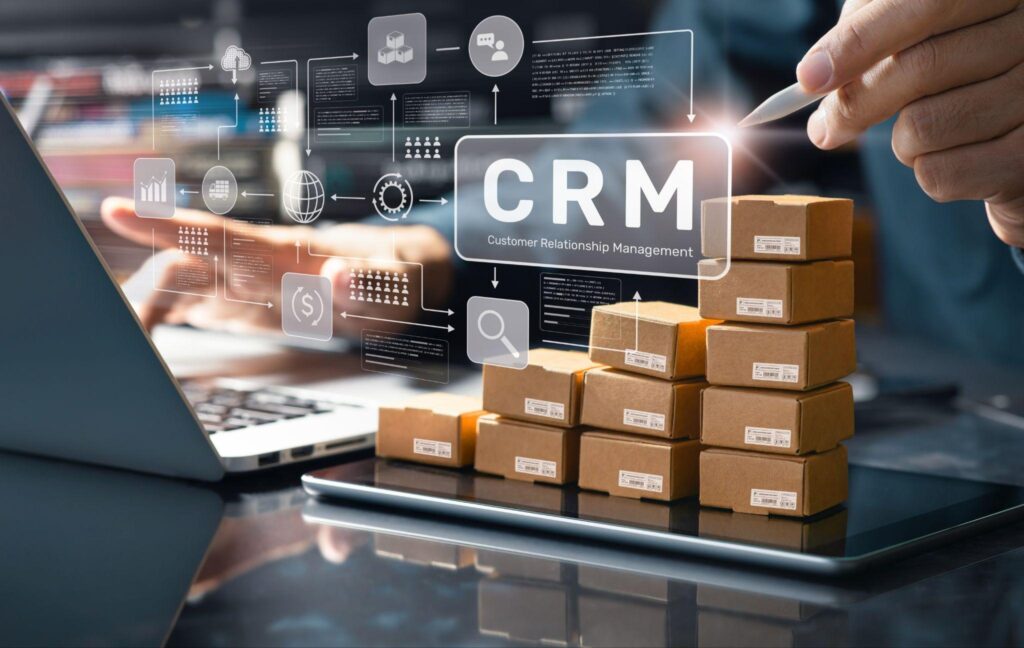
A powerful CRM can be the solution here. It connects data, people, and processes, making customer experiences smoother. We’ll learn more about it here.
When Personalization Fails, Sales Slip Away
Your shoppers expect you to remember them. They want you to show them products they may like, based on stuff they had bought earlier. When this does not happen, the experience feels boring, and they lose interest.
These mistakes add up quickly. Customers leave their carts and search for brands that actually care about what they like.
You’ll need a CRM here. With a CRM integration, e-commerce websites can use customer data in a meaningful way. You can collect purchase history, search behavior, and preferences across various devices. Then, you can show shoppers sold-out items from earlier searches, product suggestions, and latest offers.
Remember, poor personalization does not just hurt sales. It slowly pushes loyal customers away.
Customer Service Operates Blindly, Frustrating Customers
Without a CRM, customer service agents can’t see important information about the people they’re helping. They don’t know what customers bought before, what problems they’ve had, or even if they’ve contacted support in the past.
A CRM fixes this. It shows service professionals everything they need in one place, like what the customer bought, and how long they’ve been with the brand. This lets them treat customers with better focus.
For instance, Next Commerce CRM is a popular software that helps service teams in many ways.
- Shows the latest status updates about where the customer is in their buying journey via a simple dashboard.
- Perpetual Live Carts offer customers’ cart data so you can track and help them complete the purchase.
- Support Center and Ticket Center allows in tackling service problems faster. Support Ticket Macros can help automate common support tasks.
So, this software can be a decent option if you’re planning to level up your support game.
Loyalty Programs Fall Apart Without Tracking Customer Purchase History
Without a CRM, loyalty programs become a mess. Customers earn points that disappear, rewards never arrive, or VIP status that nobody recognizes. Reward timing also breaks down. Birthday discounts arrive late or not at all. Anniversary offers go to the wrong customers.
Points may expire without warning because there’s no system sending reminders. Customers feel cheated and abandon the business entirely.
A CRM transforms loyalty programs into powerful retention tools. It checks everything a customer bought, interactions, and any milestones they’ve had with the brand, like a purchase anniversary.
So, customers see their points update instantly. They might get timely reminders about offers, rewards, and other loyalty benefits. All this can make customers stick to the brand.
Re-engagement Campaigns Can’t Target the Right Customers
Without a CRM, businesses can’t tell which customers have stopped buying or why they left. They send the same “we miss you” emails to everyone, including people who bought yesterday. They offer discounts to customers who would have returned anyway, wasting money.
This way, brands might miss out on the perfect moment to reach out when someone is actually thinking about coming back.
A CRM keeps tabs on customer behavior and helps businesses engage with users properly.
- It knows exactly when someone last purchased and can spot patterns, like someone who buys every three months but has suddenly stopped.
- It can send win-back emails at the perfect time with offers that match what each customer actually likes.
- Customers who’ve abandoned their cart get reminders. Loyal customers may receive a “we value you” offer email.
This smart timing and personalization bring customers back instead of annoying them with random emails.
Summing Up
An e-commerce store without a solid CRM is a recipe for chaos.
You might not be able to learn more about customers. Offering support will be difficult. This will not help run loyalty programs smoothly, and you’ll lose more in sales.
A CRM fixes these problems by bringing everything together in one place. It remembers your customers so you don’t have to. It helps you send timely messages and makes support faster and more personal. Most importantly, it turns one-time buyers into loyal customers who keep coming back.
If you’re serious about growing your e-commerce business and keeping customers happy, a CRM is a must-have. You can reach out to CodeClouds for hiring Next Commerce specialists, if you’re looking to switch your current platform. The experienced team will identify your problems and help you get the most out of the CRM.