
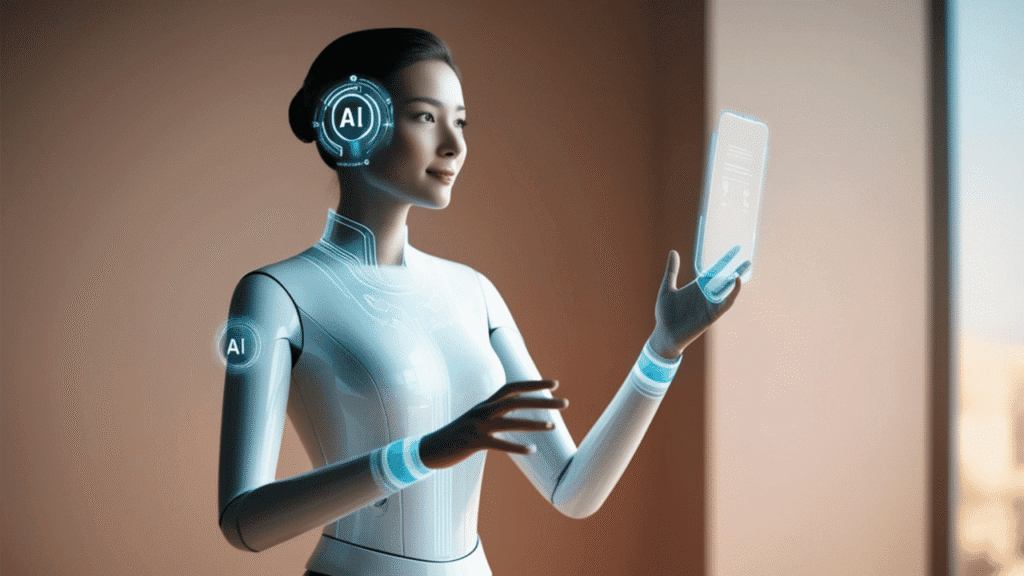

In today’s fast-paced world, voice-based interactions are becoming more essential than ever before. The Perdita AI Voice Model is pushing the boundaries of how artificial intelligence can mimic human speech, providing businesses and users with a more intuitive, seamless way to engage. Whether it’s for customer service, virtual assistants, or even entertainment, the Perdita AI Voice Model is making a significant impact.
In this article, we’ll dive into what the Perdita AI Voice Model is, how it works, and why it’s considered a game-changer in the field of voice technology. We’ll also look at its applications, benefits, and potential for the future. By the end, you’ll have a deeper understanding of this cutting-edge technology and its role in shaping the future of AI communication.
What Makes Perdita Different?
The Perdita AI Voice Model stands out in a crowded field of voice assistants and chatbots. Unlike traditional AI models that rely on rigid patterns, Perdita uses advanced machine learning algorithms that help it sound more natural, almost human. But it’s not just about sounding like a person; it’s about understanding context, emotion, and intent, which allows for more dynamic and effective conversations.
Why Is It Important?
In a world where consumers expect faster, smarter interactions, companies are increasingly turning to voice-based AI to meet these demands. The Perdita AI Voice Model offers a solution that enhances the customer experience, improves accessibility, and automates tasks more effectively than ever before. With applications spanning customer service, virtual assistants, and content creation, Perdita’s ability to engage in real-time, personalized conversations makes it an indispensable tool for businesses.
How Does the Perdita AI Voice Model Work?
1. Machine Learning and Deep Learning
At the core of the Perdita AI Voice Model is deep learning, a subset of machine learning that uses neural networks to learn patterns in data. This technology enables Perdita to understand voice inputs more accurately by analyzing various speech elements, such as tone, pitch, and cadence. Over time, the model “learns” how to respond in a more human-like manner, making conversations feel natural and intuitive.
2. Natural Language Processing (NLP)
Another crucial component of the Perdita AI Voice Model is Natural Language Processing (NLP). NLP enables Perdita to not only recognize spoken words but also understand their meaning in context. This is a significant improvement over traditional voice assistants, which often fail to interpret subtle nuances in language. Perdita’s NLP capabilities allow it to process complex requests, making it an effective tool for industries like healthcare, finance, and retail.
3. Voice Synthesis
Once Perdita has processed a user’s request, it uses voice synthesis to generate a spoken response. The model is designed to create speech that sounds fluid, natural, and personalized to the user. This synthesis technology allows Perdita to adjust its tone and delivery to match the context of the conversation, providing a more engaging and empathetic experience for the user.
Applications of the Perdita AI Voice Model
The Perdita AI Voice Model has a wide range of applications across various industries. Here are some of the most significant uses:
1. Customer Service
One of the most obvious applications of the Perdita AI Voice Model is in customer service. By automating interactions, companies can offer 24/7 support without the need for human agents to be constantly available. Whether it’s answering FAQs, processing orders, or handling complaints, Perdita’s ability to understand and respond to customer inquiries makes it an invaluable asset for businesses.
-
24/7 Availability: Perdita can provide round-the-clock support, ensuring that customers always have access to assistance, even outside of normal business hours.
-
Personalized Experience: By analyzing customer data, Perdita can offer tailored responses, making customers feel heard and valued.
2. Virtual Assistants
Perdita’s natural-sounding voice and advanced NLP make it an ideal candidate for virtual assistant applications. From managing schedules to controlling smart home devices, the AI can seamlessly integrate with other technologies to improve productivity and convenience.
-
Smart Home Integration: Perdita can control IoT devices in your home, such as lights, thermostats, and security systems, providing a hands-free, voice-activated experience.
-
Task Management: Perdita can assist in organizing tasks, setting reminders, and even making phone calls, improving efficiency.
3. Healthcare and Therapy
In healthcare, the Perdita AI Voice Model has the potential to revolutionize patient interactions. For instance, it can be used in virtual therapy sessions, offering patients a sense of companionship and support. Its ability to understand emotion and respond empathetically makes it an ideal choice for mental health applications.
-
Mental Health Support: Perdita’s ability to engage in natural, empathetic conversations makes it a valuable tool for supporting patients with anxiety, depression, or other mental health conditions.
-
Patient Assistance: The AI can help patients navigate health systems, answer medical queries, or even assist with appointment scheduling.
4. Entertainment and Media
In the entertainment industry, Perdita’s voice synthesis can be used to create lifelike characters and narrators for audiobooks, games, and interactive media. This opens up new possibilities for immersive experiences.
-
Narration and Audiobooks: Perdita can read books, articles, and other content with the nuance and expression typically associated with human narrators.
-
Video Games: It can voice characters in games, making interactions more realistic and engaging for players.
Benefits of the Perdita AI Voice Model
1. Scalability
Unlike traditional customer service models that require a large team of human agents, Perdita can scale effortlessly to handle thousands, even millions, of conversations simultaneously. This scalability is particularly beneficial for businesses with a high volume of customer interactions, such as e-commerce platforms and telecom providers.
2. Cost Efficiency
Implementing Perdita can significantly reduce operational costs. By automating tasks that would normally require human agents, businesses can reallocate resources to more complex problems. Moreover, Perdita’s AI capabilities mean that the system can handle repetitive tasks, freeing up employees for more strategic work.
3. Improved Accuracy and Efficiency
Perdita doesn’t get tired or distracted, which makes it more reliable than human agents. Its ability to quickly and accurately process requests ensures faster response times, enhancing the overall efficiency of business operations. Additionally, Perdita’s machine learning capabilities allow it to continuously improve over time, providing an ever-growing pool of knowledge and accuracy.
The Future of Perdita AI Voice Model
As AI continues to evolve, so too will the capabilities of the Perdita AI Voice Model. Future developments will likely include even more advanced features, such as better emotion recognition, multi-language support, and deeper integration with other AI technologies.
1. Multi-Language Capabilities
With globalization becoming the norm, businesses are increasingly looking for AI solutions that can support multiple languages. The future of Perdita will likely see it being able to seamlessly communicate in several languages, making it a more versatile tool for international operations.
2. Emotional Intelligence
As the technology advances, Perdita will likely be able to understand and respond to a wider range of emotions. Whether it’s a customer who’s frustrated or a user who’s excited, Perdita will be able to tailor its responses in a way that feels genuinely empathetic.
3. Integration with Other AI Models
Looking ahead, Perdita’s AI capabilities could be integrated with other forms of AI, such as image recognition or predictive analytics, making it an even more powerful tool for businesses across industries.
Conclusion
The Perdita AI Voice Model is setting a new standard for what voice technology can achieve. With its ability to understand context, respond naturally, and integrate seamlessly into various applications, it’s clear that this is just the beginning. Whether it’s revolutionizing customer service, enhancing virtual assistants, or transforming industries like healthcare and entertainment, Perdita is undoubtedly shaping the future of AI communication.
For businesses looking to stay ahead of the curve, integrating Perdita’s voice model is a step toward more efficient, scalable, and human-like interactions. As AI continues to evolve, we can expect even more advanced capabilities, further pushing the boundaries of what’s possible. The future is here, and it’s talking—thanks to Perdita.