
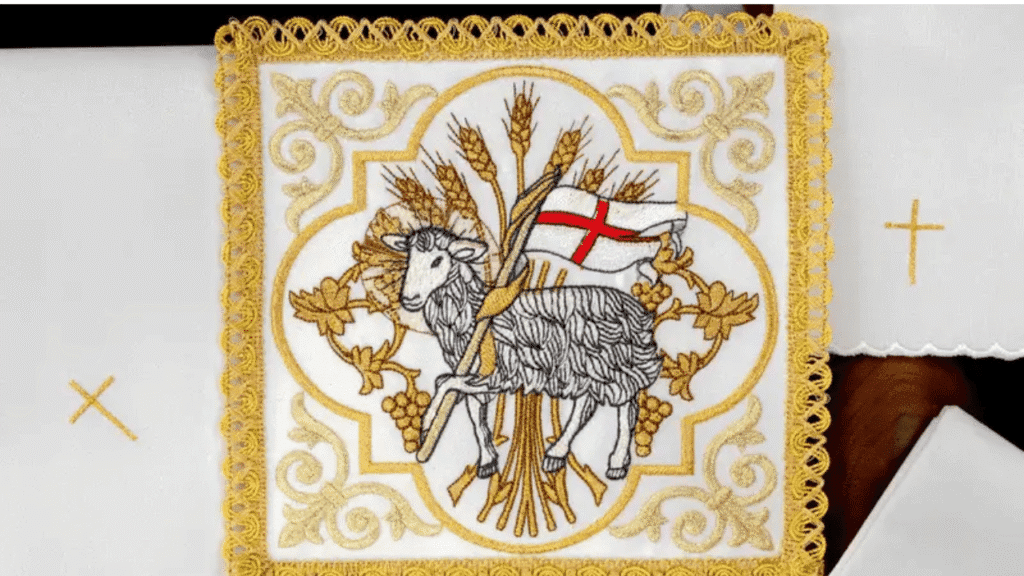

Easter is a time of profound spiritual significance, marking the resurrection of Jesus Christ and the triumph of life over death. This joyous occasion is deeply interwoven with rich symbolism, celebrated not only through religious services and personal reflection but also through the visual language of sacred art and textiles. In ecclesiastical settings, the fabrics adorning altars and clergy during Easter are more than mere decorations; they are imbued with meaning, serving as visual reminders of core tenets of faith and the enduring traditions of the Church.
The careful selection of symbols on Easter textiles plays a crucial role in enhancing the spiritual atmosphere and reinforcing the theological messages of the season.
The Significance of Easter Colors in Liturgical Textiles
The vibrant palette of liturgical colors is a cornerstone of Christian tradition, each hue carrying specific theological weight. During Easter, the Church primarily embraces white and gold, colors symbolizing purity, joy, resurrection, glory, and divine light. White is the color of Christ’s victory over death, the purity of His resurrection, and the new life offered to believers. Gold, often used in conjunction with white or as a primary color, signifies the divine glory and the radiant majesty of the Risen Christ. While less common for the main Easter services, gold can also be used to represent the royalty of Christ, further emphasizing His ultimate triumph. The use of these colors on chasubles, stoles, altar cloths, and other vestments immediately signals the festive and victorious nature of the Easter season.
White: Purity, Resurrection, and New Life
The quintessential color of Easter, white, embodies the spotless purity of Christ and the joy of His resurrection. It represents the new life bestowed upon humanity through His sacrifice and ascension. White vestments are used not only for Easter Sunday but also for other major feasts celebrating Christ, the Blessed Virgin Mary, and saints who were not martyrs. On Easter, its prominence serves as a powerful visual representation of the new covenant established through Christ’s resurrection, washing away sin and offering spiritual renewal.
Gold: Divine Glory and Heavenly Majesty
Gold is often considered a substitute for white during seasons of great joy and solemnity, such as Easter. It elevates the visual experience, reflecting the divine light and the glorious, triumphant nature of the Risen Lord. Gold embroidery on white or gold fabrics adds a layer of splendor, signifying the heavenly kingdom and the ultimate glory of Christ’s reign. Its radiant quality enhances the sense of awe and wonder appropriate for celebrating the most significant event in Christian theology.
Key Symbols Adorning Easter Textiles
Beyond color, specific symbols are frequently incorporated into the design of Easter textiles, each carrying profound theological meaning. These symbols act as visual catechisms, reinforcing the narrative of Christ’s passion, death, and glorious resurrection. Their presence on vestments and altar cloths transforms these items into active participants in the liturgical celebration, guiding the faithful in their contemplation of the Easter mystery.
The Paschal Lamb (Agnus Dei)
Perhaps the most potent symbol of Easter, the Paschal Lamb represents Jesus Christ as the sacrificial Lamb of God, whose blood redeems humanity. Depicted often with a banner of victory, or the wounds of His passion, the lamb signifies Christ’s ultimate sacrifice on the cross and His resurrection from the dead. Its appearance on Easter textiles is a direct reference to the Paschal Mystery, reminding congregants of Christ’s salvific act. This symbol is particularly resonant with the Jewish Passover lamb, highlighting Christ as the fulfillment of Old Testament prophecy.
The Cross
The Cross, while primarily a symbol of Christ’s suffering and death, is also inextricably linked to His resurrection. During Easter, the Cross is often depicted in a triumphant manner, sometimes adorned with flowers, jewels, or surrounded by light, signifying victory over death. The empty tomb is also frequently symbolized, reinforcing the core message of the resurrection. Representations of the Risen Christ, often shown emerging from the tomb or with stigmata, are also powerful Easter symbols.
The Chi-Rho and Alpha Omega
The Chi-Rho (ΧΡ), an ancient Christian symbol formed from the first two Greek letters of Christ’s name (Chi and Rho), is a direct reference to Jesus Christ. Similarly, the Alpha and Omega symbols (Α and Ω), taken from the first and last letters of the Greek alphabet, signify that Christ is the beginning and the end of all things, encompassing eternity. These symbols are often incorporated into Easter textiles to underscore the eternal nature of Christ’s victory and His divine authority.
The Dove
While more commonly associated with Pentecost, the dove also holds significance during Easter as a symbol of the Holy Spirit, who brings life and renewal. In the context of the resurrection, the Holy Spirit is seen as the divine power by which Christ was raised from the dead and the agent through which believers partake in this new life. Its presence can symbolize the spiritual rebirth that Easter celebrates.
Upholding Tradition Through Textile Design
The design and selection of symbols on Easter textiles are deeply rooted in centuries of tradition. Ecclesiastical tailors and embroiderers meticulously craft these sacred items, often drawing inspiration from ancient iconography and liturgical texts. The skill involved in hand-embroidery, appliqué, and the use of precious threads and fabrics ensures that each piece is not only a functional vestment but also a work of art. This dedication to craftsmanship honors the sacredness of the occasion and the reverence due to the symbols themselves. By maintaining these traditional designs and symbolic representations, the Church ensures that the visual elements of worship continue to communicate the enduring truths of the Easter message across generations.
The Role of Handcraftsmanship
The creation of high-quality Easter textiles often involves meticulous handcraftsmanship. Techniques such as goldwork embroidery, silk threadwork, and the careful application of metallic threads and sometimes even gemstones, are employed to create visually stunning and theologically meaningful pieces. This emphasis on artisanal skill not only produces beautiful vestments but also imbues them with a sense of devotion and care that resonates with the sacred purpose they serve. The enduring appeal of hand-crafted vestments lies in their unique character and the tangible connection they provide to the long history of Christian artistry.
Ensuring Continuity and Meaning
In a rapidly changing world, the consistency of symbolism on Easter textiles provides a sense of continuity and stability for the faithful. When a priest dons a white or gold chasuble adorned with the Paschal Lamb or a triumphant Cross, it immediately connects the present celebration to the historical reality of Christ’s resurrection and the ongoing tradition of the Church. This visual continuity helps to deepen the spiritual experience of congregants, reinforcing their understanding of the Easter message and their participation in a faith that transcends time.
Conclusion: A Visual Testament to Faith
The symbols adorning Easter textiles are powerful tools for communicating the core message of the resurrection. Through the careful use of color and symbolic imagery, ecclesiastical garments become more than mere clothing; they are visual testaments to the victory of Christ, the promise of new life, and the enduring traditions of the Church. Each stitch, each symbol, contributes to the rich tapestry of Easter worship, inviting the faithful to contemplate the profound mystery of Christ’s resurrection and to embrace the hope and renewal it offers.