

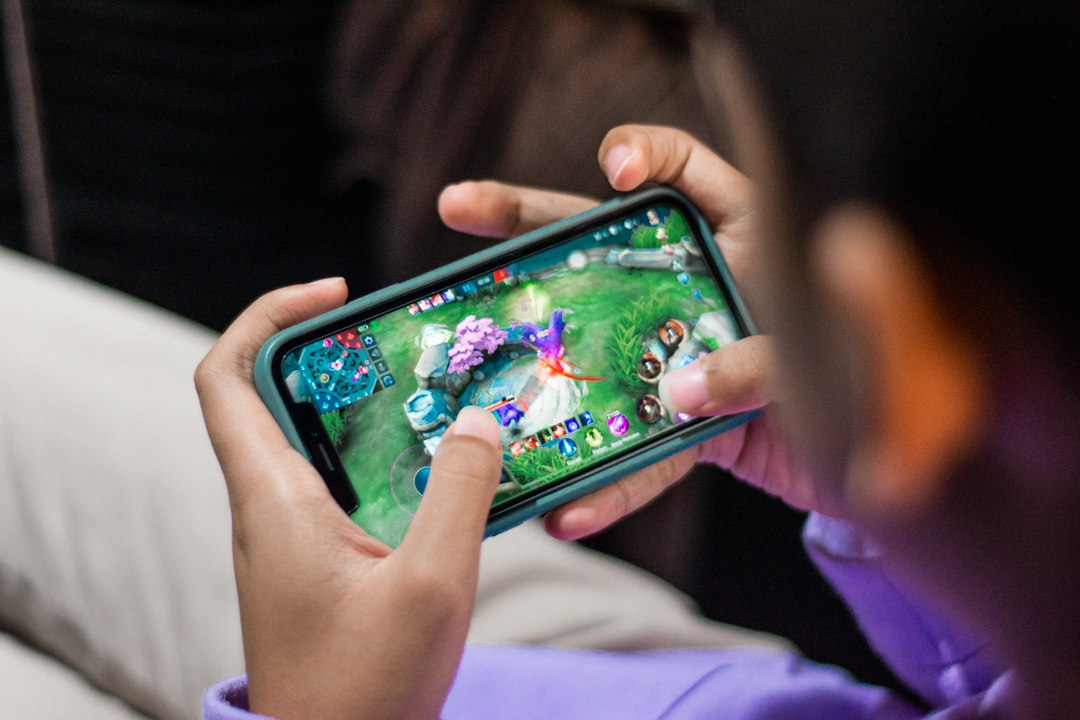
AR gaming, or augmented reality gaming, blends virtual game elements with the real world in real time, usually through a smartphone camera or a headset. Instead of putting you in a fully digital world as virtual reality does, AR keeps your real surroundings visible and adds characters, objects and information on top. Pokémon GO is the best-known example.
Key takeaways
- AR games overlay digital content on your real view, while VR replaces it and mixed reality lets digital objects interact with the real space.
- Most AR games run on smartphones using the camera, GPS and motion sensors, with Apple ARKit and Google ARCore providing the tracking tools.
- Headsets such as Meta Quest 3 and Apple Vision Pro add passthrough views for mixed reality games.
- Popular examples include Pokémon GO, Ingress, Pikmin Bloom and Monster Hunter Now.
- Play safely: watch your surroundings, manage battery use and review camera and location permissions.
What is AR gaming?
AR gaming is the real-time integration of virtual game elements with the physical environment of the player. Your device uses its camera and sensors to understand where you are and what is around you, then draws game objects in that space. A creature can appear to stand on your table, or a location on a map can match a real landmark.
How is AR different from VR and mixed reality?
AR adds digital content to the real world, VR replaces the real world with a digital one, and mixed reality lets digital objects react to real surfaces and objects. These ideas sit on a spectrum, as the diagram shows.
Some experts argue that location-based games such as Pokémon GO are closer to location-based entertainment than to full mixed reality, because the digital creatures do not deeply interact with real objects. In everyday use, though, people call them AR games.
How does AR gaming work?
AR gaming works by sensing the environment, tracking your device position and drawing digital objects in the right place on the display. The main steps are:
- Capture. The camera, GPS, gyroscope and accelerometer collect data about where you are and how the device moves.
- Understand the space. Software detects surfaces, such as floors and tables, and builds a simple map of the scene. Apple ARKit and Google ARCore provide these tools for phones.
- Place content. The game anchors characters or objects to a location or surface.
- Render and display. The game draws the objects over the camera view on a phone, or over a passthrough view in a headset.
- Respond. The game updates as you move, tap or use gestures and controllers.
What are examples of AR games?
The best-known AR games are Pokémon GO, Ingress, Pikmin Bloom and Monster Hunter Now, plus mixed reality titles on headsets. Lists from game guides name these titles most often:
- Pokémon GO (2016). Made by Niantic, it uses GPS and the camera to place creatures in your surroundings, and it made AR gaming mainstream.
- Ingress. An earlier Niantic location-based game about capturing real-world portals.
- Pikmin Bloom and Monster Hunter Now. Location-based games that turn walking and exploring into gameplay.
- Harry Potter: Wizards Unite (2019). A Niantic AR game that has since been shut down, which shows how fast this market changes.
- Peridot. A virtual pet game that uses AR to place the pet in your room.
- Mixed reality headset games. Titles on Meta Quest 3 and similar devices use passthrough to mix play with your room.
Availability changes, so check an app store or headset store for current titles.
What devices do you need for AR gaming?
You need either a modern smartphone or a mixed reality headset. Choose based on the games you want:
| Device | How it works | Best for |
|---|---|---|
| Smartphone (ARKit or ARCore support) | Camera view with digital overlay | Casual, outdoor and location-based games |
| Tablet | Larger camera view | Tabletop and room-scale experiences |
| Mixed reality headset (for example Meta Quest 3, Apple Vision Pro) | Passthrough video with digital objects | Immersive games in your room |
| Smart glasses | Lightweight display on the real view | Notifications and simple overlays, with limited gaming |
What are the benefits and challenges of AR gaming?
AR gaming gets people moving and playing together, but it brings battery, safety and privacy issues. Consider both sides:
- Benefits: physical activity outdoors, social play, new ways to explore places and low entry cost on a phone you already own.
- Battery and heat: constant camera, GPS and screen use drains the battery quickly.
- Safety: watching the screen can distract you from traffic and obstacles.
- Privacy: games use camera, location and motion data, so review permissions. If you are concerned about apps that over-collect data, read our guide to spyware.
- Hardware limits: tracking can slip in poor light or on blank walls.
Using public Wi-Fi while you play outdoors? Follow the tips in our guide to protecting your Wi-Fi from hackers and avoid logging in to important accounts on untrusted networks.
Frequently asked questions
Is Pokémon GO AR or VR?
It is an AR game, because it shows creatures over your camera view. Some people classify it as location-based entertainment, because the creatures do not deeply interact with real objects.
Do I need a headset to play AR games?
No. Many AR games run on a smartphone. Headsets add more immersive mixed reality games, but they are optional.
What is the difference between AR gaming and VR gaming?
AR keeps your real surroundings visible and adds digital content, while VR replaces your surroundings with a fully digital world.
Is AR gaming safe for kids?
It can be, with supervision. Set time limits, play in safe places, review camera and location permissions and check each game age rating and in-app purchases.
Does AR gaming use a lot of data?
Location-based games use moderate mobile data, and heavy 3D or multiplayer games can use more. Download updates over Wi-Fi when you can.
Conclusion
AR gaming turns your surroundings into the game board by combining the camera, sensors and real-time graphics. Start with a phone-based game such as Pokémon GO, explore mixed reality headsets if you want more immersion, and play with an eye on safety, battery and privacy.